Reviewing Watercolor Christmas Dog Clipart for Embroidery
As a designer who spends more time staring at stitch simulations than actual fabric, I have learned to be skeptical of digital assets that look pretty on a screen but fail under the needle. The holiday season brings a flood of festive graphics, but few translate well into thread. Recently, I evaluated Watercolor Christmas Dog Clipart with a specific goal: determining its viability for real-world embroidery projects. This is not just about aesthetics; it is about functionality, stitchability, and commercial potential for craft businesses.
First Impressions and Visual Personality
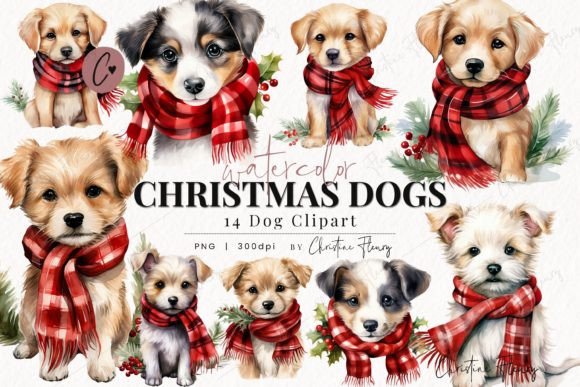
The immediate appeal of this Illustrations set lies in its soft, organic aesthetic. Unlike rigid vector lines often found in standard clip art, the watercolor style offers a gentle, hand-painted mood. For embroidery, this presents both an opportunity and a challenge. The soft edges suggest a need for careful digitizing to avoid a jagged, pixelated look when converted into stitches. The theme is undeniably cozy, evoking feelings of warmth and nostalgia that resonate deeply with buyers of handmade goods. If you are aiming for a boutique feel rather than a mass-produced look, this visual personality is a strong starting point.
However, a designer’s eye must look past the charm. I examined the layout and detail level closely. Watercolor effects rely on subtle gradients and bleeding colors. In embroidery, we do not have infinite color blending. We have thread. Therefore, the success of this design depends entirely on how well the digitizer has interpreted those soft transitions into manageable fill stitch areas and running stitch outlines. If the details are too fine, they will get lost in the fabric texture. If they are too dense, the fabric will pucker.
Real-World Application: The Holiday Tote Bag Test
To test the practicality of Watercolor Christmas Dog Clipart, I imagined a common scenario for an Etsy seller: creating a custom embroidered tote bag for a holiday market. Tote bags are typically made from canvas or heavy cotton, which provides a stable base for embroidery. I visualized placing the dog motif on the lower corner of the bag, accompanied by simple seasonal text.
In this context, the design performs well if the scale is appropriate. A medium-sized hoop allows enough room for the watercolor effects to breathe without requiring thousands of stitches that would stiffen the bag unnecessarily. The visual weight of the dog balances nicely against the plain fabric, creating a focal point that feels intentional and high-value. Customers browsing for personalized gifts often seek items that look artistic rather than industrial. This clipart, when stitched correctly, bridges that gap, offering the look of a painted illustration with the durability of thread.
Apparel and Soft Goods Considerations
Moving beyond totes, I considered sweatshirt embroidery and baby clothes. Here, the fabric texture changes the game. Fleece and knit fabrics are stretchy and textured. Using a design with high stitch density on a baby onesie can result in a stiff, uncomfortable patch that irritates sensitive skin. For these applications, I would recommend using the simpler elements of the clipart or ensuring the digitized file uses lighter fill settings. An applique design approach might even be superior here, using fabric to create the watercolor blocks and only stitching the outlines, which reduces bulk and maintains the softness of the garment.
For custom apparel like adult hoodies, the design holds up better due to the thicker material. However, one must be cautious with dark fabrics. Watercolor designs often use light, pastel tones. Stitching light thread colors onto a black hoodie requires a solid underlay and potentially a white backing to prevent the dark fabric from showing through. Without proper stabilization and underlay, the vibrant charm of the Watercolor Christmas Dog Clipart could look muddy and indistinct.
Technical Challenges and Fabric Compatibility
Not every surface is suitable for this type of imagery. I advise caution when considering curved surfaces like caps. The structured front of a cap can handle embroidery, but the complex curves distort designs. The soft, flowing lines of a watercolor style may look warped if not digitized with compensation for the curve. Similarly, thin fabrics like silk or lightweight rayon require extreme care. The pull of the threads can easily distort the image, ruining the delicate aesthetic.
Another critical factor is washing. Items like kitchen towels or aprons undergo frequent laundering. Dense embroidery can survive this, but if the design relies on very short, fragile stitches to mimic watercolor splatters, these may break down over time. For high-wear items, I recommend simplifying the design or using a satins stitch border to protect the inner fill areas. Always test the design on scrap fabric first. Check how the threads interact with the specific weave of your material. A test run reveals issues with puckering, thread breaks, or color contrast before you commit to a final finished product.
Commercial Value and Brand Consistency
For small shop products and craft business owners, consistency is key. Using Watercolor Christmas Dog Clipart can help establish a cohesive brand identity centered around warmth and artisanal quality. When customers see a well-executed embroidered item, it builds trust. It signals that the maker cares about detail. However, this only works if the execution is flawless. Poorly stitched watercolor effects can look messy, detracting from the perceived value.
To maximize buyer engagement, consider how the design looks in printable mockup previews. Digital presentation sells the item before the customer touches it. Ensure your photos highlight the texture of the stitches against the fabric. Show close-ups of the dog’s features to demonstrate clarity. This transparency helps manage customer expectations and reduces returns. Furthermore, verify the licensing terms. Most clipart sets allow for commercial use on physical items, but restrictions may apply to selling the digital embroidery file itself. Always confirm these details to protect your business.
Practical Designer Notes for Execution
- Check Stitch Density: Ensure the file is not overly dense, especially for stretchy fabrics. High density leads to puckering and stiffness.
- Contrast is Crucial: Test the design on both light and dark fabrics. You may need to adjust thread colors or add a white underlay for visibility on dark materials.
- Stabilizer Selection: Use a cut-away stabilizer for knits and stretchy fabrics to provide long-term support. Tear-away may suffice for woven totes but offers less stability.
- Hoop Size Matters: Confirm the design fits your available hoop sizes. Scaling a design up or down significantly can alter stitch quality and density.
- Inspect Small Details: Zoom in on the digitized file. Are there tiny, isolated stitches that might cause thread nests? Clean up any unnecessary jump stitches or micro-details.
- Licensing Verification: Before listing items on Etsy or at craft fairs, double-check the license agreement for the Illustrations to ensure commercial rights for physical goods.
In conclusion, Watercolor Christmas Dog Clipart offers a charming, marketable aesthetic for holiday embroidery. Its success, however, hinges on technical execution. By understanding fabric limitations, optimizing stitch parameters, and testing thoroughly, designers can transform this digital asset into a standout handmade product. Whether for a cozy sweatshirt or a festive tote, the right approach ensures the final piece delights customers and enhances your brand’s reputation for quality.