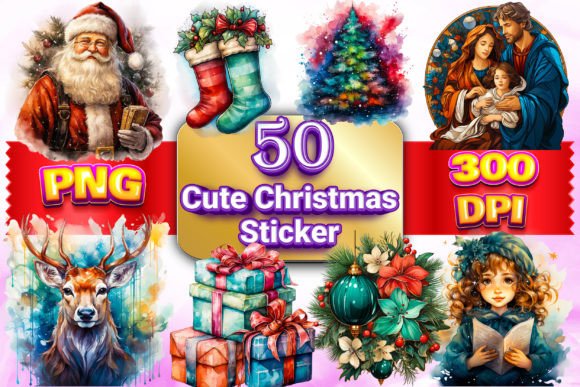
Reviewing Cute Christmas Sticker Clipart for Embroidery
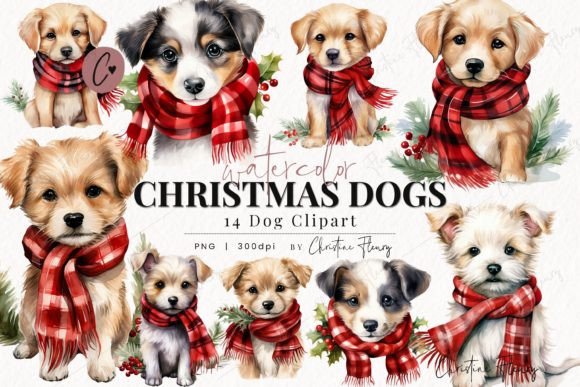
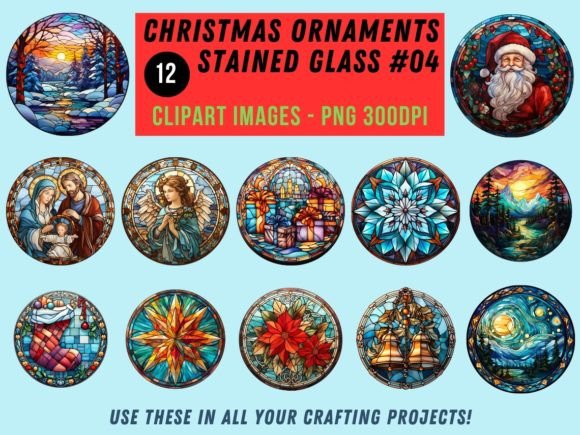
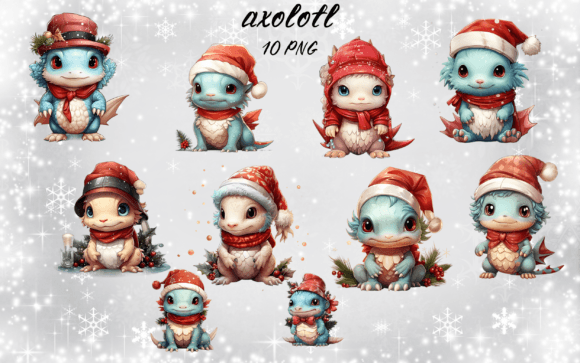
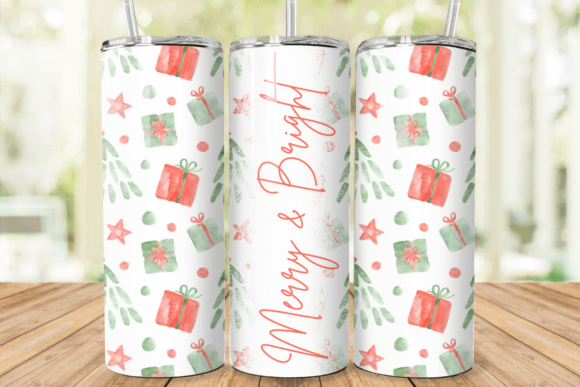
As a designer who spends more time staring at stitch simulations than actual fabric, I have learned to be skeptical of digital assets labeled as "cute." Often, these files look charming on a screen but turn into a tangled mess of thread breaks and puckering once they hit the hoop. However, when I recently pulled up the Cute Christmas Sticker Clipart to evaluate it for a holiday client project, my initial hesitation quickly turned into genuine interest. This is not just another generic holiday graphic; it is a collection of Illustrations that possess a specific visual personality suited for modern, handmade aesthetics.
First Impressions: Mood and Visual Personality
The first thing that strikes you about this design set is its cohesive mood. It avoids the overly complex, traditional Christmas imagery that often clutters holiday markets. Instead, it leans into a playful, sticker-like aesthetic. The shapes are bold, the lines are clean, and the overall layout feels approachable. For an embroidery designer, this is crucial. Complex gradients and tiny details do not translate well to thread. These designs, by virtue of their "sticker" style, rely on solid shapes and clear boundaries, which are much friendlier to the mechanics of a sewing machine.
The visual personality here is warm and nostalgic without being dated. It feels like something you would find in a boutique stationery shop or on a high-end greeting card. When I imagine this translated into a machine embroidery design, I see potential for crisp satin stitches and smooth fill areas. The lack of excessive micro-detail means less risk of needle deflection and fewer thread breaks, which is a significant advantage when producing items in bulk for a craft business.
Real-World Application: The Tote Bag Test
To truly understand the value of any embroidery file, you have to imagine it on a physical product. I recently worked on a custom order for a local bakery that wanted branded tote bag design options for their holiday gift sets. They needed something festive but not overwhelming, as the bags would also be used year-round if the design was subtle enough. The Cute Christmas Sticker Clipart fit this brief perfectly.
I selected one of the simpler icons from the set to test on a canvas tote. The bold outlines of the sticker style mimic the look of a patch, even when stitched directly onto the fabric. This creates a professional, finished look that elevates the perceived value of the handmade product. Customers tend to trust designs that look intentional and clean. A messy, over-stitched design can make a small shop product look amateurish, but these clean lines convey professionalism. The result was a bag that felt special enough to be a personalized gift yet durable enough for daily use.
Versatility Across Product Lines
Beyond tote bags, this design set shows remarkable versatility. I can easily envision these graphics working as sweatshirt embroidery on the left chest area. The compact nature of sticker-style art means it does not require a massive hoop, making it ideal for smaller garments like baby embroidery projects. Imagine a soft onesie with a tiny, embroidered holiday icon; it is adorable, non-intrusive, and highly marketable for Etsy seller accounts focusing on nursery wear.
For those interested in embroidered patch creation, these designs are practically ready-made. The distinct borders inherent in sticker art translate beautifully to satin stitch edges, allowing for clean cut-away patches that can be ironed or sewn onto jackets, hats, and backpacks. This opens up revenue streams for commercial embroidery businesses looking to offer add-on items during the holiday rush.
Technical Considerations and Fabric Choices
While the designs are visually appealing, practical application requires careful attention to technical details. Not every fabric behaves the same way. When working with Cute Christmas Sticker Clipart, you must consider the stitch density. If the original digital asset is converted into an embroidery file with too high a density, it can cause puckering, especially on lighter fabrics like cotton tea towels or thin jersey knits.
I recommend using a medium-weight cut-away stabilizer for most applications to ensure the fabric remains flat. For stretchy materials, such as those used in custom apparel like t-shirts, a tear-away stabilizer might not provide enough support, leading to distorted shapes after washing. Always test your thread colors against the fabric. Since these designs often rely on contrast to maintain their "sticker" look, choosing thread colors that pop against the background is essential. A dark green on a black sweatshirt will vanish, whereas a bright red or gold will stand out.
Where to Use Caution
There are scenarios where this design set might struggle. Curved surfaces, such as the front panel of a structured cap, require careful digitizing. If the design has wide fill areas, it may warp on the curve. In such cases, breaking the design into smaller sections or using an applique design technique with fabric inserts might be a smarter choice than direct stitching. Additionally, avoid using these designs on highly textured fabrics like thick wool or terry cloth unless you are using a topping material, as the stitches can sink into the pile and lose their definition.
Small hoop sizes are generally safe due to the compact nature of the graphics, but always check the dimensions. If you are scaling the design down significantly for a tiny ornament or jewelry piece, ensure that the running stitch outlines remain visible. If the details become too small, they may not stitch out cleanly, leading to a muddy appearance.
Enhancing Brand Consistency and Customer Trust
For creative entrepreneurs and digital product sellers, consistency is key. Using a cohesive set of illustrations like Cute Christmas Sticker Clipart helps build a recognizable brand identity. When customers see a consistent style across your printable mockup images and actual finished product photos, it builds trust. They know what to expect, which reduces hesitation in purchasing.
These designs also enhance the "giftability" of your items. Holiday shopping is often driven by emotion and presentation. A clean, cute design signals thoughtfulness. It suggests that the item was curated with care, rather than mass-produced with generic clipart. This emotional connection can drive higher engagement on social media and increase conversion rates for holiday embroidery collections.
Practical Designer Notes for Implementation
Before you commit to production, follow these steps to ensure success:
- Test on Scrap Fabric: Always stitch a sample on the exact fabric you plan to use. This reveals issues with tension and density before you ruin a final product.
- Check Thread Contrast: View your design in black and white to ensure the shapes are distinct. If the design disappears in grayscale, it will likely lack impact in thread.
- Verify Licensing: Confirm whether the digital embroidery file or source illustration allows for commercial use. If you are selling design assets or finished goods, you must have the right license.
- Inspect Small Details: Zoom in on the digitized version. Look for overlapping stitches or unnecessary jump stitches that could be trimmed to improve efficiency.
- Compare Backgrounds: Test the design on both light and dark fabrics. You may need to create two versions of the file with different underlay stitches to accommodate different fabric weights.
In conclusion, Cute Christmas Sticker Clipart offers a refreshing take on holiday design. It bridges the gap between digital charm and tactile craftsmanship. For the experienced designer, it provides a reliable foundation for creating high-quality, marketable goods. For the hobbyist, it offers a forgiving entry point into holiday stitching. By respecting the technical limitations of embroidery and leveraging the visual strengths of these illustrations, you can create products that delight customers and stand out in a crowded marketplace.