Reviewing 20 Watercolor Christmas Images for Embroidery
As a designer who has spent countless hours digitizing and stitching holiday motifs, I approach new design assets with a mix of excitement and skepticism. The market is flooded with generic clipart, but finding resources that truly translate well into thread is a different challenge entirely. Recently, I evaluated the 20 Watercolor Christmas Images collection to determine its viability for real-world embroidery projects. My goal was not just to look at pretty pictures, but to assess how these illustrations would perform under the needle, how they would appeal to customers, and where they fit best in a craft business portfolio.
First Impressions: Mood and Visual Personality
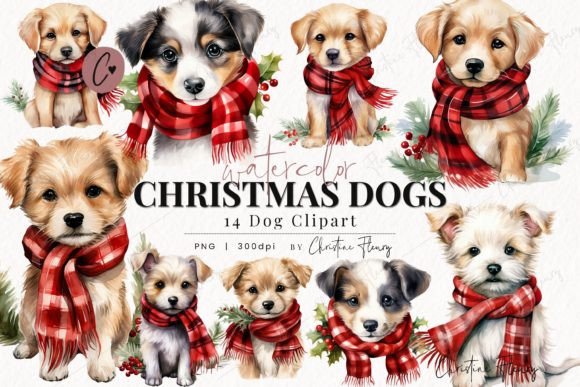
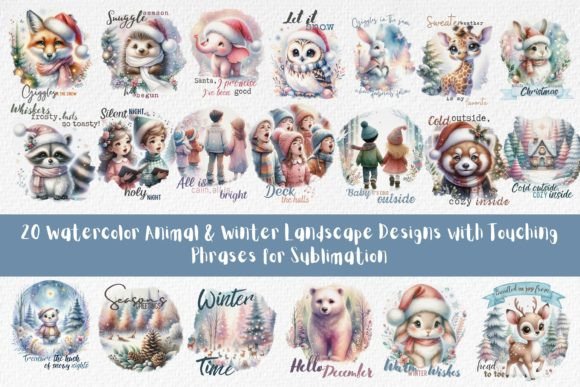
The immediate appeal of the 20 Watercolor Christmas Images lies in their soft, organic aesthetic. Unlike rigid vector graphics or pixel-perfect digital art, watercolor styles bring a sense of warmth and nostalgia that resonates deeply during the holiday season. The collection features classic themes—wreaths, ornaments, winter flora, and festive characters—rendered with gentle gradients and fluid edges. For an embroidery designer, this presents both an opportunity and a technical puzzle. The lack of hard lines means the design relies heavily on tone and color blending, which can be difficult to replicate with thread if not handled correctly.
From a branding perspective, these images exude a boutique quality. They feel handmade before they are even stitched. This visual personality is crucial for Etsy sellers and small shop owners who want to differentiate their products from mass-produced items. The mood is cozy, inviting, and slightly rustic, making it an ideal fit for home decor and personalized gifts rather than high-energy, modern streetwear.
Real-World Application: From Screen to Stitch
To test the practical value of these assets, I imagined several specific production scenarios. The most promising application I identified was sweatshirt embroidery. A soft, heather-grey crewneck paired with a muted green watercolor wreath from this collection creates a sophisticated, understated holiday look. The key here is translation. When converting a watercolor image into a machine embroidery design, one must decide how to handle those soft edges. A pure fill stitch might look too dense and plastic-like, losing the airy quality of the original illustration. Instead, I recommend using a combination of light fill stitches and strategic running stitch outlines to suggest shape without overpowering the fabric texture.
Another strong use case is the tote bag design. Canvas totes are popular holiday gifts, and the durability of embroidery adds perceived value. However, the coarse weave of canvas can interfere with fine details. In this context, the simpler images within the 20 Watercolor Christmas Images set perform better than the complex ones. A single, bold watercolor ornament translates beautifully, whereas a detailed scene might get lost in the fabric grain. For baby embroidery, such as on onesies or burp cloths, the soft color palette is perfect. Parents often prefer subtle, pastel-adjacent tones over bright primary colors, and these illustrations offer that gentle touch.
Navigating Technical Challenges
While the aesthetic is charming, there are areas where caution is necessary. Watercolor effects rely on transparency and bleeding colors, which do not exist in standard embroidery thread. If you are digitizing these yourself or working with a digitizer, you must manage stitch density carefully. High density on thin fabric will cause puckering, ruining the delicate look of the design. Always use an appropriate stabilizer; for knit fabrics like t-shirts or baby clothes, a cut-away stabilizer is essential to prevent distortion after washing.
Small hoop sizes also present a limitation. Intricate details in watercolor paintings often shrink when scaled down. If you are creating an embroidered patch or working on a cap, avoid the images with tiny elements or fine lettering. These will likely merge into a blob of thread. Instead, choose the bolder, simpler compositions from the set. Additionally, consider the thread colors available. Watercolor images often use nuanced shades. You may need to blend threads or use variegated thread to mimic the gradient effect. Testing on scrap fabric is non-negotiable here. What looks smooth on screen may look striped or uneven when stitched.
Dark fabrics pose another challenge. Watercolor designs are typically light and airy. Stitching them directly onto black or navy fabric requires a solid underlay or a change in strategy, such as using an applique design technique where the watercolor image is printed on fabric and then stitched around. This preserves the visual integrity of the illustration while ensuring it stands out against the dark background.
Impact on Brand and Customer Perception
Using high-quality visuals like the 20 Watercolor Christmas Images can significantly elevate your brand consistency. For creative entrepreneurs, the presentation of your product is as important as the product itself. These illustrations lend themselves well to printable mockup creation. Before you even stitch a single thread, you can create compelling digital previews for your online store. This helps buyers visualize the finished product, increasing trust and engagement.
Furthermore, the uniqueness of the design affects customer trust. When a buyer sees a generic, clipart-style embroidery, they often assume low effort. When they see a design that retains the artistic nuance of watercolor, they perceive higher craftsmanship. This perception allows for better pricing power. Whether you are selling custom apparel, kitchen towels, or holiday gifts, the artistic merit of the source image transfers to the perceived value of the handmade item.
Practical Notes for Designers and Makers
If you plan to incorporate these illustrations into your workflow, keep the following checklist in mind:
- Test on Scrap Fabric: Always stitch a sample on the same material you intend to use for the final product. Check for puckering, thread breaks, and color accuracy.
- Check Thread Contrast: Ensure your thread colors have enough contrast against the fabric. Watercolor tones can be subtle; make sure they don't disappear on light fabrics.
- Review Stitch Density: If digitizing, keep density moderate to maintain the soft look. Avoid heavy saturation.
- Confirm Hoop Size: Match the design complexity to the hoop size. Large, detailed images need large hoops; simple icons work in small hoops.
- Inspect Small Details: Zoom in on the digital file. If details are too fine for embroidery, simplify them or remove them.
- Mockup in Black and White: Convert the image to grayscale to check value contrast. If it looks flat in black and white, it will lack depth in thread.
- Licensing Verification: Before selling any commercial embroidery items, confirm the license terms of the digital embroidery file or illustration source. Ensure you have rights for commercial use.
Final Verdict
The 20 Watercolor Christmas Images collection is a valuable asset for designers who understand the limitations and possibilities of embroidery. It is not a plug-and-play solution for every project, but with thoughtful digitizing and material selection, it can produce stunning, high-value results. For Etsy sellers and boutique owners, these illustrations offer a way to create distinctive, emotionally resonant holiday products. By respecting the medium and adapting the design to the fabric, you can turn these digital assets into cherished handmade treasures.