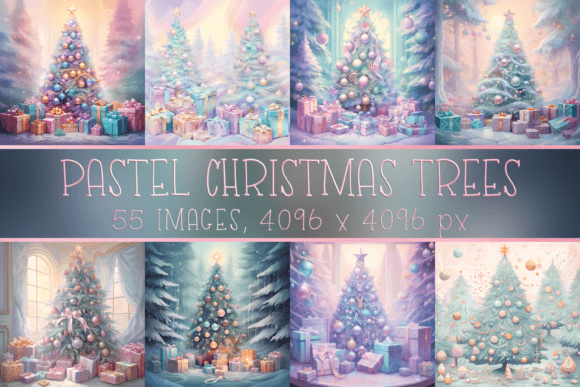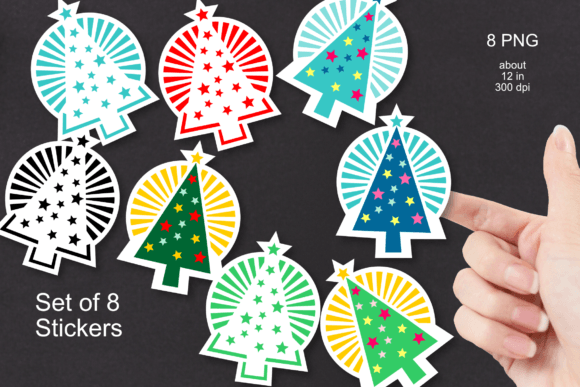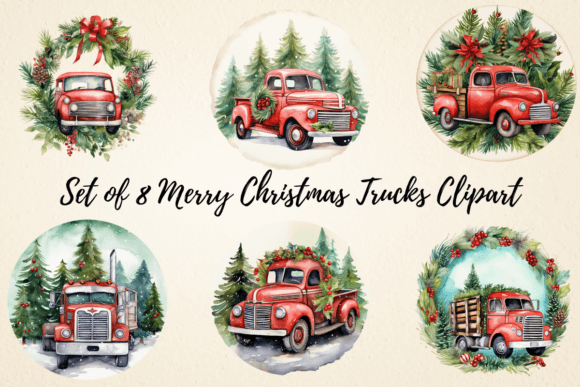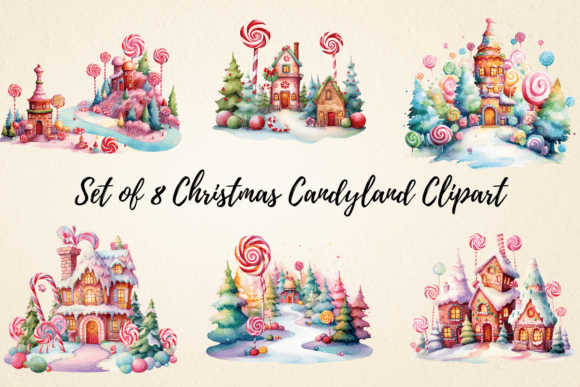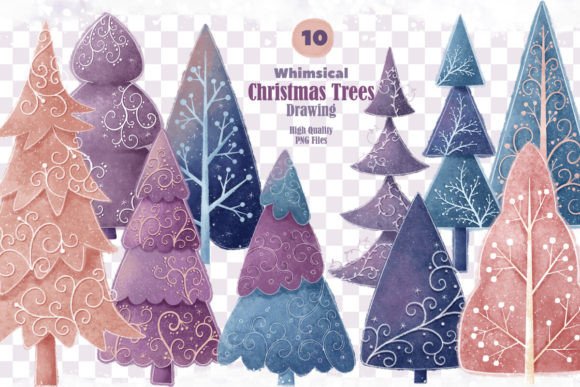
Whimsical Christmas Trees Collection Illustrations
As a digital publisher who has spent over a decade refining the visual identity of high-traffic blogs and editorial platforms, I approach every new graphic design asset with a critical eye. It is not enough for an image to be cute or festive; it must perform. It needs to hold its own against bold headlines, drive clicks in crowded social feeds, and maintain legibility across devices. When I first opened the files for the Whimsical Christmas Trees Collection, my immediate impression was one of balanced charm. This is not just decorative clip art; it is a curated set of Illustrations designed with modern web standards in mind.
The aesthetic strikes a delicate balance between playful and polished. For bloggers and content creators, this distinction is vital. A design that leans too heavily into childish whimsy can undermine authority, while something too sterile fails to capture the emotional warmth of the holiday season. This collection lands squarely in the "lifestyle-professional" sweet spot. It feels approachable, artistic, and distinctly seasonal without sacrificing the clean lines required for contemporary web design. If you are building a brand identity that values creativity and warmth, these assets provide an instant visual shortcut to that mood.
Elevating Editorial Design with Seasonal Flair
In the context of real-world publishing, the primary value of the Whimsical Christmas Trees Collection lies in its versatility within editorial layouts. I tested these assets across several standard formats: blog featured images, newsletter headers, and Pinterest graphics. The results were consistently strong. The line work is crisp, which means the images scale well from a large hero banner down to a medium-sized inline graphic. This scalability is crucial for maintaining visual hierarchy. When a reader scans a page, their eye should flow naturally from the headline to the image and then to the body text. These illustrations support that flow rather than disrupting it.
For those managing affiliate marketing sites or lifestyle blogs, consistency is key to building reader trust. Using a cohesive set of design assets signals professionalism. When I placed these tree illustrations alongside serif fonts for a traditional holiday recipe post, the contrast was elegant. Switching to a bold sans-serif for a modern gift guide created a dynamic, energetic feel. Even pairing them with handwritten script fonts for personal essays worked seamlessly. This adaptability makes the collection a powerful tool for small business branding, allowing you to maintain a unified look across diverse content types.
Strategic Applications for Content Marketing
Beyond standard blog posts, this collection shines in specific high-value publishing scenarios. Consider the humble Pinterest pin. In the crowded vertical feed, your graphic needs to stop the scroll. The whimsical nature of these trees draws attention, but their clean backgrounds allow for ample negative space. This is where you place your hook text. I found that using these illustrations as the focal point of a Pinterest pin significantly improved the clarity of the message. The eye is drawn to the art, then immediately guided to the overlay text.
Furthermore, these assets are ideal for creating digital products. If you are designing a digital guide, a holiday planner, or a set of printable worksheets, these illustrations add perceived value. They transform a plain PDF into a premium digital download. For newsletter creators, incorporating these trees into header banners can boost open rates by signaling fresh, seasonal content. They also work exceptionally well in media kits, helping potential sponsors visualize the aesthetic quality of your platform. Whether you are crafting a lead magnet or a comprehensive eBook cover, the professional finish of these files ensures your product looks market-ready.
Optimizing for Performance and Readability
While the artistic merit is high, a publisher’s job is to ensure technical performance. I recommend testing the Whimsical Christmas Trees Collection rigorously before deployment. First, check the file sizes. High-resolution Illustrations can slow down page load times if not optimized. Always compress images for web use without sacrificing quality. Second, preview the assets on mobile screens. What looks spacious on a desktop monitor can appear cluttered on a smartphone. Ensure that when these trees are used in small thumbnails, the details remain distinct and do not blur into noise.
Contrast is another critical factor. These designs work best on light or neutral backgrounds. Placing them on dark, busy, or low-contrast backgrounds can reduce their impact and make them difficult to see. If you are using them in a website header, ensure there is sufficient padding around the image so it does not crowd the navigation menu or the logo. Additionally, always verify the licensing terms. While many creative marketplaces offer standard licenses, confirm that you have the appropriate commercial license if you are using these assets on monetized pages, in paid advertising, or within products you intend to sell.
Navigating Limitations and Best Practices
No design asset is universal, and it is important to recognize where this collection might not fit. The whimsical style, while charming, may not align with serious professional niches such as corporate finance, legal advice, or hard news reporting. In these contexts, the playful tone could inadvertently diminish the perceived seriousness of the content. Similarly, avoid using these illustrations in text-heavy blog images where readability is already a challenge. The goal is to enhance comprehension, not to compete with the copy.
For social media graphics, consider the platform norms. On Instagram, these assets can serve as beautiful standalone posts or story elements. On LinkedIn, they might feel out of place unless your personal brand is explicitly centered around creative entrepreneurship or holiday-themed business tips. Always align the visual tone with your audience’s expectations. If your brand identity is minimalist and stark, these decorative elements might feel intrusive. However, for most lifestyle, food, travel, and DIY bloggers, they offer a perfect injection of seasonal joy.
Finally, think about longevity. Seasonal content has a short shelf life, but high-quality creative design can be repurposed. Save these files in an organized library. Next year, you can reuse them in new combinations, perhaps changing the color palette or pairing them with different typography. This approach maximizes the return on investment for your design assets. By treating the Whimsical Christmas Trees Collection as a core component of your visual toolkit rather than a one-off decoration, you build a more cohesive and recognizable online presence.
In conclusion, this collection is a robust resource for any digital publisher looking to elevate their holiday content. It bridges the gap between artistic expression and functional content marketing. By focusing on visual clarity, technical optimization, and strategic placement, you can leverage these illustrations to create engaging, trustworthy, and clickable content that resonates with your audience. Whether you are updating a Canva template or designing a custom printable design, these assets provide the professional polish that separates amateur blogs from authoritative digital publications.