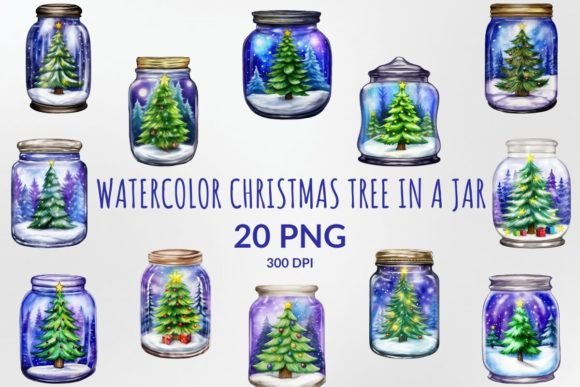
Watercolor Christmas Tree in a Jar Illustrations
As someone who has spent the better part of a decade turning digital files into tangible goods, I have learned that not every graphic design asset is created equal. Some look stunning on a screen but fall apart when you try to weed vinyl or print them on a textured tote bag. Others are technical nightmares that clog up your cutting machine. Today, I am taking a close, practical look at the Watercolor Christmas Tree in a Jar. This isn’t just a quick glance; this is a deep dive into how this specific set of Illustrations performs in a real-world handmade business environment.
When I first opened the file package for the Watercolor Christmas Tree in a Jar, the immediate impression was one of cozy nostalgia. There is something inherently charming about the concept of capturing a festive evergreen inside a glass vessel. It suggests a style that is both whimsical and refined. For my Etsy shop, which leans heavily into the "modern rustic" aesthetic, this asset felt like an instant fit. It does not scream loud and chaotic like some holiday graphics; instead, it whispers warmth. This mood is crucial because it attracts a specific type of buyer: the customer looking for subtle, elegant decor rather than flashy, cartoonish holiday cheer. If you are targeting buyers who appreciate watercolor textures, soft edges, and a touch of vintage charm, this design hits the mark perfectly.
From Screen to Shelf: Real Crafting Applications
The true test of any digital product is its versatility. Can it survive the transition from a PNG preview to a physical object? I put the Watercolor Christmas Tree in a Jar through its paces across several common crafting mediums. For Cricut project enthusiasts and Silhouette project users, the primary consideration is how the image handles layering. Since this is a watercolor-style asset, it is best utilized as a printed element rather than a cut-only shape. I used the high-resolution PNG files for sublimation on ceramic mugs and tumbler wraps. The color gradient in the watercolor trees transferred beautifully, maintaining those soft, bleeding edges that define the medium. On white ceramic, the colors popped with a delicate vibrancy that looked professional and high-end.
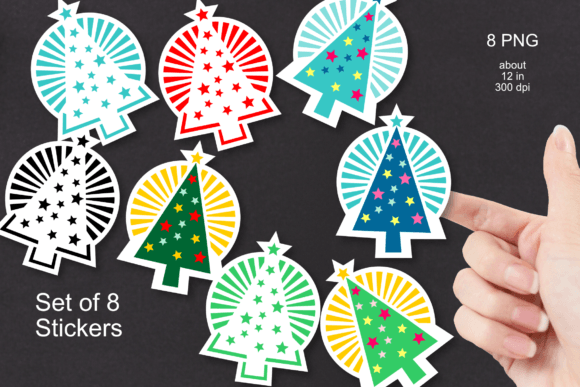
For those creating sticker design collections, this asset is a goldmine. I printed them on waterproof vinyl sticker paper, and the result was adorable planner stickers and gift tags. The jar outline provides a natural border, making it easy to cut around using a Print then Cut feature. However, I did notice that if you scale the design down too small for tiny planner stickers, some of the finer details in the tree branches can get lost. I recommend keeping these stickers at least two inches wide to preserve the integrity of the watercolor texture. For t-shirt design, I opted for direct-to-film (DTF) transfers rather than traditional heat transfer vinyl, as the multi-colored watercolor effect is impossible to replicate with single-color vinyl layers without excessive weeding and alignment issues.
Navigating Technical Constraints and Quality Checks
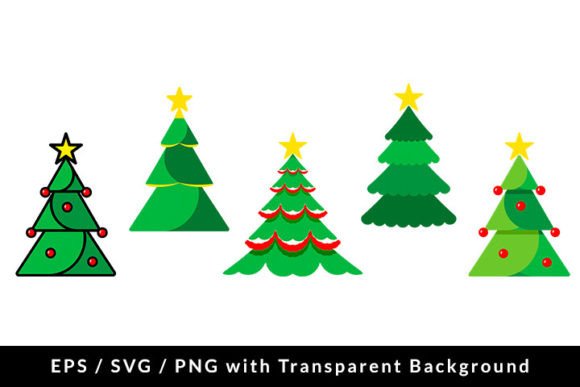
While the aesthetic appeal is high, we must address the technical side of using design assets like this. Watercolor illustrations are complex. They are not simple vector shapes with clean, solid fills. When I reviewed the SVG files included in the bundle, I checked the paths carefully. For a commercial design intended for mass production, clean lines are essential. In this case, the SVGs were well-organized, but they are best used for digital printing or sublimation. If you attempt to use this as a layered vinyl project, be prepared for a significant challenge. The subtle shading means you would need dozens of layers to replicate the look, which is rarely cost-effective for a small business.
I also tested the resolution for large-format prints. If you plan to use the Watercolor Christmas Tree in a Jar for printable wall art or large tote bags, ensure you are using the highest DPI PNG provided. I zoomed in to 300% on my monitor to check for pixelation. The quality held up, which is a relief for anyone selling printable design products. However, always test your specific printer settings. Watercolors can sometimes appear washed out on certain home printers if the ink saturation is not adjusted. I found that printing on a matte photo paper yielded the most authentic watercolor look, whereas glossy paper made the colors appear slightly more saturated and less organic.
Strategic Use in Small Business Branding
Beyond individual products, how does this asset fit into your broader small business branding? The Watercolor Christmas Tree in a Jar is versatile enough to serve as a centerpiece for a seasonal collection. I paired it with a delicate serif font for greeting cards and a handwritten script for thank-you notes. The combination created a cohesive look that felt personal and artisanal. For Etsy product listings, using this graphic in your product mockup images can significantly boost click-through rates. It signals to the browser that your items are thoughtful and curated.
However, there are places where you should use this asset carefully. Avoid placing it over busy backgrounds. The soft edges of the watercolor need contrast to stand out. I made the mistake of placing it on a patterned scrapbook paper initially, and the design got lost. It works best on solid, neutral backgrounds like cream, white, kraft brown, or deep navy. Also, be mindful of color contrast. If you are printing on dark garments, you will need a white underbase or a light-colored garment, as the translucent nature of watercolor means the fabric color will show through and muddy the greens and reds of the tree.
Final Verdict for Crafters and Entrepreneurs
In the world of creative marketplace sales, finding reliable design assets is half the battle. The Watercolor Christmas Tree in a Jar is a strong contender for your holiday inventory. It is not just a pretty picture; it is a functional tool for creating mugs, shirts, stickers, and decor that sell. It appeals to the emotional side of holiday shopping, evoking feelings of warmth and tradition.
Before you launch your next craft fair booth or update your online store, remember to verify the commercial license terms. Ensure you understand the limits of usage, especially if you are planning to incorporate this into a larger design bundle for resale. Test your files, check your color profiles, and imagine your end customer holding the final product. If you do these steps, this illustration can become a staple in your seasonal lineup. It is a reminder that in handmade business, the right graphic can bridge the gap between a simple idea and a best-selling item. Whether you are a seasoned pro or a hobbyist looking to sell your first print-on-demand item, this asset offers the quality and charm needed to succeed.