Review: Watercolor Christmas Dinosaur Clipart for Stitching
As a designer who spends more time staring at stitch simulations than actual fabric, I have learned to be skeptical of digital assets that look pretty on a screen but fail under the needle. When I first opened the Watercolor Christmas Dinosaur Clipart, my initial reaction was cautious optimism. The aesthetic is undeniably charming—a whimsical blend of prehistoric ruggedness and holiday softness. But charm does not always translate to clean embroidery. I needed to know if this illustration could hold its own in a real-world embroidery project, specifically for clients who expect durability and visual clarity.
First Impressions: Mood and Visual Personality
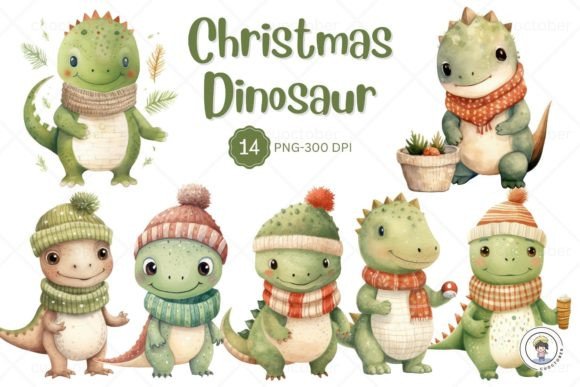
The immediate mood of this design is playful yet sophisticated. It avoids the trap of being overly childish, which makes it versatile. The watercolor style suggests soft edges and blended hues, which presents a unique challenge for machine embroidery. Typically, watercolor effects rely on transparency and gradient bleeding, two things that thread cannot physically replicate without clever digitizing. Upon closer inspection of the Illustrations, I noticed that the shapes are distinct enough to be interpreted by an embroidery machine, provided the digitizer has used appropriate fill stitch techniques to mimic that painted look.
For an Etsy seller or a boutique owner, this visual personality is a goldmine. It stands out against the sea of traditional red-and-green snowflakes. It appeals to parents who want something unique for their child’s baby embroidery items, as well as adults who appreciate a touch of humor in their holiday embroidery. The layout feels balanced, with the dinosaur likely serving as the focal point, surrounded by subtle festive elements like holly or snowflakes. This balance is crucial because it dictates where the eye travels when the item is worn or displayed.
Real-World Application: From Screen to Sweatshirt
To test the viability of this asset, I imagined a specific scenario: a custom order for a toddler’s Christmas morning outfit. The client wanted a sweatshirt embroidery piece that was cozy but not scratchy. This is where the Watercolor Christmas Dinosaur Clipart shines if handled correctly. Because the design likely incorporates soft color transitions, it works beautifully on heathered fabrics where harsh lines might look out of place.
I also considered its use on a canvas tote bag design. Here, the durability of the stitch becomes paramount. A tote bag gets thrown around, stuffed with groceries, and washed frequently. If the design relies too heavily on dense satin stitch borders, it might pucker the fabric over time. However, if the digitizing utilizes a mix of running stitch for details and lighter fill areas, it can remain flexible. For custom apparel like t-shirts, the design’s footprint needs to be checked against the hoop size. A large, detailed dinosaur might require a 5x7 or larger hoop, which limits placement options on smaller garments like baby onesies.
Versatility Across Product Lines
Beyond clothing, this clipart has strong potential for home decor. Imagine it stitched onto a linen pillow cover for a nursery or a kitchen towel for a quirky holiday gift. The whimsical nature of a dinosaur in a Santa hat or holding ornaments creates an instant emotional connection. For small shop product lines, consistency is key. If you are building a brand around playful, modern holidays, this design fits seamlessly into a collection that might include other animals or eclectic holiday motifs. It serves as a strong design asset for creating cohesive printable mockup previews that attract buyers online.
Technical Considerations and Fabric Challenges
While the aesthetic is appealing, the technical execution requires attention. Watercolor styles often imply a lack of hard boundaries. In embroidery, every color change requires a stop and start, or a jump stitch. If the Watercolor Christmas Dinosaur Clipart has too many subtle color variations, the stitch count could skyrocket, making the design expensive to produce and stiff to wear. I advise checking the stitch density before committing to a large production run.
Fabric choice plays a massive role here. On textured fabrics like terry cloth or fleece, fine details may get lost. The soft edges of the watercolor style might actually benefit from this, blending naturally with the fabric’s texture. However, on smooth, thin fabrics like silk or lightweight cotton, you must use a proper stabilizer to prevent puckering. Dark fabrics present another hurdle. If the design relies on light pastel watercolor tones, stitching them directly onto black fabric will result in poor visibility. You may need to use an applique technique or a white underlay to make the thread colors pop.
Curved surfaces, such as caps or hats, require careful placement. A large, complex design can distort when stitched on a curved brim. For an embroidered patch, however, this design could work exceptionally well. Patches allow for heavier stabilizers and denser stitching without worrying about garment comfort, preserving the integrity of the watercolor effect.
Enhancing Brand Value and Customer Trust
Using high-quality, unique designs like this directly impacts perceived value. When a customer sees a well-executed, whimsical design on a handmade product, they perceive it as premium. It shows that the maker cares about detail and originality. This builds trust and encourages repeat business. For commercial embroidery projects, offering something distinct like a watercolor dinosaur sets you apart from competitors using generic, free clipart. It signals professionalism and creative effort.
Furthermore, the "giftability" factor is high. People love giving gifts that feel personal and special. A personalized gift featuring this design feels thoughtful and curated. It engages buyers who are looking for something beyond the standard retail offerings. By integrating this design into your craft business portfolio, you enhance your brand’s recognition as a source for unique, high-quality holiday items.
Practical Notes for the Embroidery Designer
Before you load this digital embroidery file into your machine, take these practical steps to ensure success:
- Test on Scrap Fabric: Always stitch out a test sample on the same fabric type you intend to use for the final product. This reveals any tension issues or registration errors.
- Check Thread Contrast: Ensure your chosen thread colors match the watercolor aesthetic. Sometimes, switching to variegated threads can enhance the watercolor effect, mimicking the natural bleed of paint.
- Review Stitch Density: High density can make garments stiff. If the design feels too heavy, consider asking the digitizer for a lighter version or adjusting your machine settings.
- Confirm Hoop Size: Verify that the design fits within your available hoop sizes without excessive re-hooping, which can lead to misalignment.
- Inspect Small Details: Zoom in on the digital preview. Are there tiny elements that might break or pull out? Simplify if necessary.
- Mockup in Black and White: Convert the design to grayscale in your software to check for contrast and clarity without the distraction of color.
- Verify Licensing: Before selling finished items or using the design in commercial products, confirm the license terms associated with the Watercolor Christmas Dinosaur Clipart. Ensure you have the right to use it for commercial embroidery sales.
In conclusion, this design offers a fresh take on holiday motifs. With careful attention to technical details and fabric selection, it can elevate your finished product from ordinary to exceptional. It is a solid choice for designers looking to add a playful, artistic touch to their seasonal collections.