Review: Christmas Polar Bears Background for Embroidery
As a designer who has spent years digitizing and stitching thousands of patterns, I approach every new machine embroidery design with a mix of curiosity and skepticism. We have all been there: you download a file that looks stunning on the screen, only to find it turns into a puckered mess or an indistinguishable blob once the needle hits the fabric. That is why I took a close look at the Christmas Polar Bears Background before committing it to any client project. This isn’t just about whether it is cute; it is about whether it works in the real world of hoops, threads, and tight deadlines.
First Impressions and Visual Mood
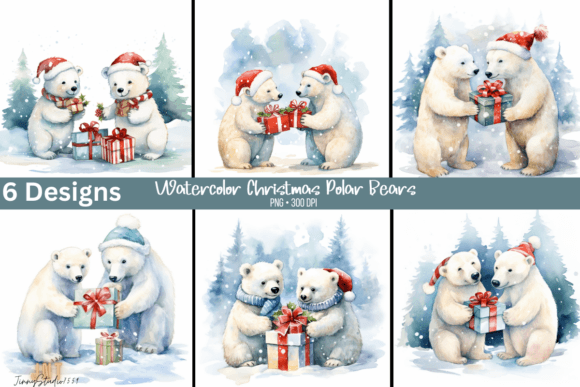
The first thing that strikes me about this Illustrations-style piece is its atmospheric quality. Unlike standard clip-art bears that often feel stiff or overly cartoonish, this design leans into a softer, more narrative aesthetic. The layout suggests a winter scene that feels cozy rather than chaotic. For an embroidery project, this is crucial. When we talk about background elements, we are often worried about stitch density overwhelming the main subject. However, the visual personality here seems balanced. It creates a mood of quiet holiday warmth, which is exactly what customers are looking for in seasonal handmade products.
The detail level appears moderate, which is a smart choice for embroidery. Too much detail in a background can cause registration issues, especially on home machines. From a reviewer’s standpoint, I appreciate designs that understand the limitations of thread. The shapes seem defined enough to read clearly from a distance but soft enough to blend into the fabric texture without creating excessive bulk.
Real-World Application: The Tote Bag Test
To truly evaluate the Christmas Polar Bears Background, I imagined applying it to a common commercial item: a canvas tote bag. This is a staple for any Etsy seller or craft fair vendor during the holiday rush. Canvas is sturdy, but it has a distinct weave. A design like this needs to sit well on that texture.
In this scenario, the background elements would likely serve as a subtle frame for personalized text or a central monogram. If I were producing this for a small shop product, I would use the polar bear motif to create a themed collection. Imagine a set of matching tote bags and kitchen towels. The consistency of the design across different items builds brand recognition. Customers trust a finished product that looks intentional. If the background fights with the foreground, the item looks amateur. Here, the composition suggests it can play a supporting role beautifully, allowing the thread colors to shine without competing for attention.
Sweatshirts and Custom Apparel
Moving from accessories to apparel, let’s consider sweatshirt embroidery. This is where stitch density becomes a critical factor. Sweatshirt fleece is thick and plush. If the Christmas Polar Bears Background relies heavily on dense fill stitches, it could create a stiff patch that feels uncomfortable against the skin or causes the garment to pucker.
However, if the design utilizes a mix of satin stitch outlines and lighter fill areas, it will lay flat and drape correctly. For a custom apparel business, comfort is key. I would recommend testing this design on a scrap piece of fleece first. Pay attention to how the background elements interact with the nap of the fabric. If the details get lost in the fuzz, you might need to adjust the underlay or choose a smoother fabric blend. For baby clothes, the same logic applies but with higher stakes. Baby embroidery requires softness. If this design is intended for onesies, ensure the backing is cut-away stabilizer to prevent irritation, and verify that no tiny, scratchy tails of thread remain after trimming.
Navigating Technical Challenges
No design is perfect for every situation. There are specific scenarios where you should use the Christmas Polar Bears Background with caution.
- Small Hoop Sizes: If you are working with a 4x4 inch hoop, the background details might become too compressed. Intricate lines can merge, turning a beautiful scene into a muddy cluster of thread. Always check the actual dimensions of the embroidery file before purchasing.
- Dark Fabrics: Light-colored polar bears on dark navy or black fabric require excellent contrast. You may need to add a white underlay or use a brighter thread shade to ensure the design pops. Without proper contrast, the holiday embroidery theme gets lost.
- Stretchy Fabrics: Knits and jerseys move. A large background design can distort if not stabilized properly. Use a high-quality cut-away stabilizer to maintain the integrity of the shape.
- Curved Surfaces: Embroidering on caps is tricky. The background elements must be positioned carefully to avoid the seams. If the design is too wide, it will wrap around the curve awkwardly.
Enhancing Product Value and Branding
Why does this matter for your business? Because presentation drives sales. A well-executed embroidered patch or direct-to-garment design elevates the perceived value of the item. When a customer sees the Christmas Polar Bears Background stitched cleanly, with no loose threads and proper tension, they perceive quality. This builds trust.
For digital product sellers, this design can also be used in printable mockups. Showing how the design looks on various items helps buyers visualize the final result. It acts as a powerful marketing tool. Whether you are selling the digital embroidery file itself or the physical personalized gift, the visual appeal of the background sets the tone. It suggests a boutique aesthetic rather than a mass-produced feel.
Practical Designer Notes for Success
Before you load this into your machine, take these practical steps to ensure success:
- Test on Scrap Fabric: Never skip this step. Stitch the design on the same type of fabric you plan to use for the final product. Check for puckering, thread breaks, or color blending issues.
- Check Thread Contrast: Lay out your thread spools next to the fabric. Does the background recede appropriately? You want depth, not confusion.
- Review Stitch Density: Look at the color stop sequence in your software. Are there areas with excessive overlapping stitches? If so, consider editing the file to reduce density, especially for lightweight fabrics.
- Confirm Licensing: If you plan to sell items made with this design, verify the license terms. Most designers allow commercial use for physical items, but restrictions may apply to digital resale. Always respect the creator's rights.
- Use Proper Stabilizer: Match your stabilizer to your fabric. Woven cut-away for knits, tear-away for stable wovens. The right foundation makes all the difference in how the stitch density behaves.
In conclusion, the Christmas Polar Bears Background offers a charming, versatile option for holiday projects. It fits naturally into the category of Illustrations that prioritize mood over rigid geometry. For the craft business owner, it provides a reliable asset for creating cohesive seasonal collections. Just remember to respect the technical limits of your machine and fabric. With proper preparation, this design can become a standout feature in your commercial embroidery portfolio, delighting customers with its festive spirit and professional finish.