Monkey in Santa Hat Illustrations Review
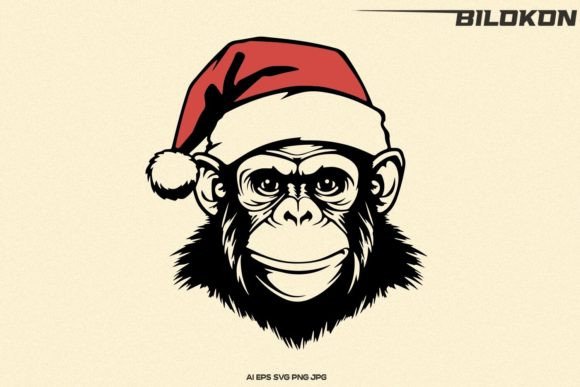
As a digital publisher who has spent years refining the visual architecture of high-traffic blogs and editorial platforms, I approach every new graphic design asset with a critical eye. It is not enough for an image to be cute or technically proficient; it must serve a functional purpose within the broader ecosystem of content marketing and web design. Recently, I integrated the Monkey in Santa Hat, Christmas Monkey into a seasonal content rollout, and the results offered valuable insights into how specific character illustrations can elevate reader engagement and brand perception.
The first impression of this asset is undeniably playful yet polished. In the crowded landscape of holiday visuals, where generic stock photos often dilute brand identity, this illustration stands out by offering a distinct personality. It strikes a balance between whimsical charm and professional execution, making it ideal for lifestyle-focused niches, family-oriented blogs, and creative entrepreneurship platforms. The mood it creates is warm and inviting, signaling to the reader that the accompanying content is approachable, fun, and curated with care. For publishers aiming to humanize their digital presence, this type of character-driven art is invaluable.
Elevating Editorial Design with Character Assets
When we discuss editorial design, we are talking about the strategic arrangement of visual elements to guide the reader’s eye and enhance comprehension. The Monkey in Santa Hat, Christmas Monkey excels in this regard because it possesses a clear focal point and strong silhouette. This clarity is crucial for maintaining visual hierarchy on busy web pages. I tested this asset across several formats, from full-width website headers to compact sidebar widgets. In each instance, the illustration retained its integrity, proving its versatility as a core component of a cohesive brand identity.
For bloggers and newsletter creators, consistency is key to building trust. Using a recurring character or style across your blog graphics helps establish immediate category recognition. When a subscriber sees this monkey in their inbox, they instantly associate it with your specific voice and aesthetic. This psychological cue strengthens the connection between the creator and the audience, turning passive readers into loyal followers. Whether you are designing a digital guide or a simple weekly update, such assets act as visual anchors that ground your content in a recognizable style.
Practical Applications in Content Publishing
The utility of this illustration extends far beyond a single blog post. In my workflow, I leverage versatile assets like this to create a unified visual system across multiple touchpoints. Here is how I effectively deployed the Monkey in Santa Hat, Christmas Monkey in real-world publishing scenarios:
- Pinterest Pins: The vertical orientation and bold colors make it perfect for eye-catching pins that drive traffic to seasonal articles.
- Newsletter Headers: Placing the character at the top of an email campaign adds a festive touch that increases open rates and click-throughs.
- Social Media Graphics: It serves as an engaging backdrop for Instagram stories or Facebook posts, allowing text overlays to remain legible.
- Digital Products: I incorporated it into the cover design of a holiday-themed printable design pack, enhancing its perceived value.
- Lead Magnets: Using the asset on a free checklist or worksheet makes the download feel more premium and thoughtful.
For affiliate marketers, the visual appeal of promotional materials can significantly impact conversion rates. A well-designed Canva template featuring this monkey can make product recommendations feel less like ads and more like curated suggestions from a trusted friend. This subtle shift in presentation is often the difference between a scroll-past and a click.
Optimizing for Performance and Readability
While the aesthetic quality of Monkey in Santa Hat, Christmas Monkey is high, technical implementation is equally important. As a publisher, I always test assets on both desktop and mobile screens to ensure they scale correctly. On smaller mobile thumbnails, intricate details can get lost, so I recommend using versions with simplified backgrounds or higher contrast. I also experimented with typography pairings to see how the illustration interacts with different font styles.
The asset pairs beautifully with bold sans serif fonts for modern, clean layouts, but it also complements handwritten fonts for a more personal, diary-like feel. However, caution is advised when using script fonts, as the playful nature of the monkey might clash with overly ornate lettering, reducing readability. Always check contrast and readability when placing text over or near the illustration. If the background is busy, consider adding a semi-transparent overlay or moving the text to a negative space area within the composition.
Strategic Placement and Cautionary Notes
Understanding where not to use an asset is just as important as knowing where it shines. While this illustration is perfect for lifestyle, parenting, and creative niches, it may not suit serious professional sectors such as corporate finance, legal advice, or medical journalism. In these contexts, the playful tone could undermine the authority and seriousness required to build reader trust. Similarly, avoid using it in low-contrast environments or cluttered layouts where it might compete with other visual elements for attention.
For those managing small business branding, ensure that the color palette of the illustration aligns with your existing brand guidelines. If your brand uses muted, earthy tones, the bright reds and greens of the Christmas theme might need adjustment via editing software to maintain visual harmony. Always review file sizes for web performance; large, uncompressed images can slow down page load times, negatively affecting SEO and user experience. Use tools to compress images properly without sacrificing quality before uploading them to your server.
Licensing and Commercial Use Considerations
Before integrating any design assets into monetized projects, confirming the licensing terms is non-negotiable. Whether you are using this for a free blog or a paid digital download, ensure you have the appropriate commercial license. This protects your business from legal issues and supports the original artists who contribute to the creative marketplace. For affiliate pages or sponsored content, clear licensing ensures that your use of the image complies with platform policies and advertiser requirements.
In conclusion, the Monkey in Santa Hat, Christmas Monkey is more than just a festive image; it is a strategic tool for enhancing visual communication. By thoughtfully integrating such Illustrations into your website header, social feeds, and digital products, you can create a more engaging, professional, and memorable online presence. For publishers willing to invest time in testing and optimization, this asset offers a significant return in terms of reader engagement and brand cohesion.